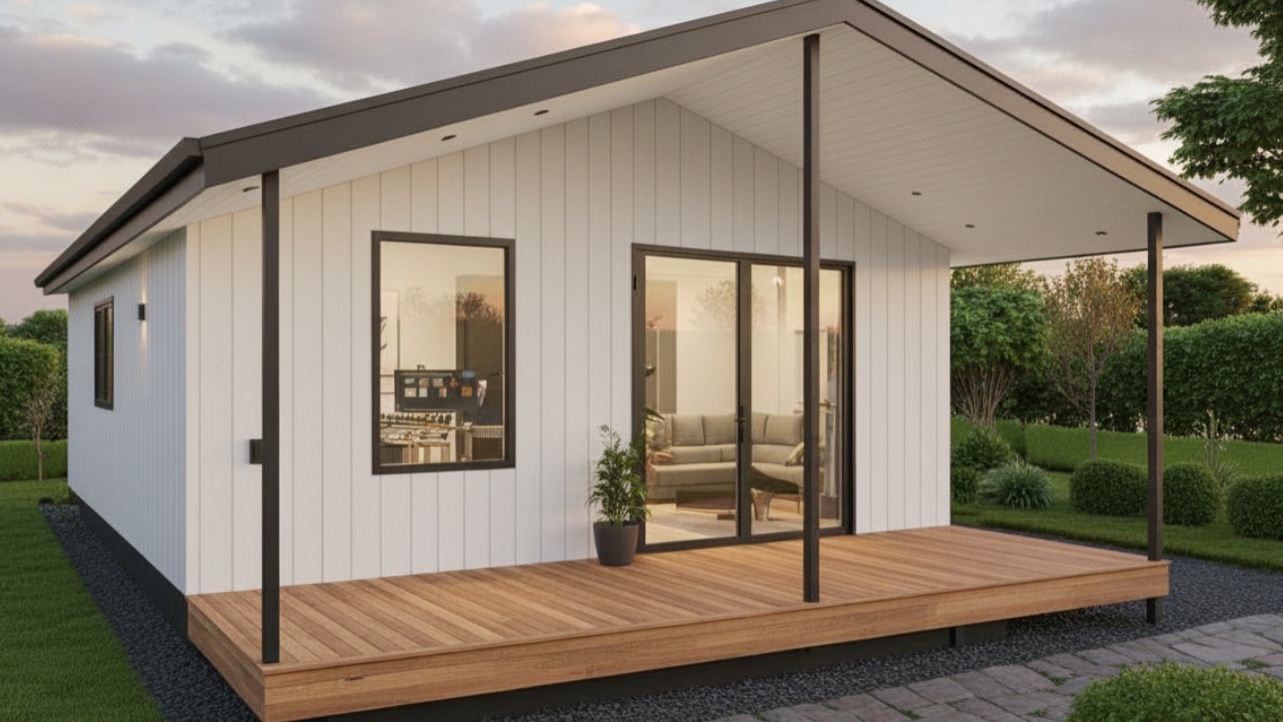
In 2025, Australia saw a record rise in modular and prefabricated builds — and 2026 is set to take that growth even further.
With construction costs climbing, housing supply tightening, and sustainability becoming a national priority, modular building has emerged as a smarter, faster, and more affordable way to create quality homes.
At ModularSales, we’ve built Australia’s first dedicated marketplace for modular construction — connecting buyers with trusted builders and helping them compare, design, and purchase their dream build with confidence.
Here’s why modular living is on track to become the new normal in 2026.
1. Affordability Meets Efficiency
Traditional builds are taking longer and costing more. Between rising material prices and ongoing labour shortages, many Australians are looking for alternatives that deliver value without compromise.
Modular homes are typically completed 20–40% faster than conventional builds and can significantly reduce construction costs by minimising waste and streamlining timelines.
Across the ModularSales marketplace, we’re seeing builders offer cost-effective, ready-to-go designs that balance affordability with architectural quality — making home ownership more accessible for everyday Australians.
2. Sustainability Becomes the Standard
Sustainability is no longer a “nice to have” — it’s an expectation. Modular construction naturally lends itself to eco-friendly practices, using precision manufacturing to minimise waste, repurposing offcuts, and optimising energy efficiency in the design process. According to the Clean Energy Regulator — Australia’s authority on renewable energy and emissions reporting — energy-efficient building practices are becoming a key driver in reducing household emissions and power usage.
Some modular homes now use up to 30% less energy than traditional builds, while also supporting recyclable and renewable material use. The result? Smarter, greener homes that are better for the planet and for your power bill.
3. A Faster Path to Homeownership
In today’s market, speed matters. With conventional builds often taking 12–18 months to complete, modular construction offers a faster, more predictable path to moving in.
Because modular homes are built off-site in controlled environments, weather delays and supply interruptions have minimal impact. Many buyers are now moving into their modular homes in as little as 8 weeks.
Eligible Class 1A dwellings can also qualify for the First Home Owner Grant, giving first-home buyers even more incentive to explore modular options.
4. Design Flexibility and Smart Integration
Modern modular homes are a far cry from the one-size-fits-all models of the past. Today, buyers can choose from a wide range of architectural styles and layouts — with options for solar integration, energy storage systems, and smart home technology built right in.
From compact tiny homes to luxury modular residences, today’s modular builders offer tailored designs that adapt to your lifestyle, budget, and long-term goals.
The Future Is Modular
As Australia faces growing pressure on affordability, sustainability, and housing accessibility, modular construction offers a practical, future-ready solution.
At ModularSales, our mission is simple — to make it easier for Australians to find, compare, and connect with trusted modular builders. Whether you’re searching for a small off-grid cabin or a full-sized family home, we’re here to help you navigate the market with clarity and confidence.